Starting or growing a business without a clear strategy is a bit like driving through a new city
... without a map. You might eventually reach somewher...

Starting or growing a business without a clear strategy is a bit like driving through a new city without a map. You might eventually reach somewhere, but you will waste time, money and energy along the way. In today’s competitive landscape, entrepreneurs face shifting markets, evolving customer expectations and increasing competition. In fact, studies show that nearly 20% of small businesses fail within their first year due to poor planning and weak strategic decisions. Whether you’re launching a start up, expanding operations or even evaluating a business for sale in Canada, having a structured decision making framework can make all the difference.
This is where SWOT analysis steps in. Simple yet powerful, SWOT helps businesses understand their internal capabilities and external environment before making big moves. Instead of guessing what might work, you make informed decisions based on facts. This article will guide you on why a SWOT analysis matters for ultimate business success. From reducing risks to spotting growth opportunities, a well done SWOT analysis lays the groundwork for sustainable business success.
1. What is Meant by SWOT Analysis?
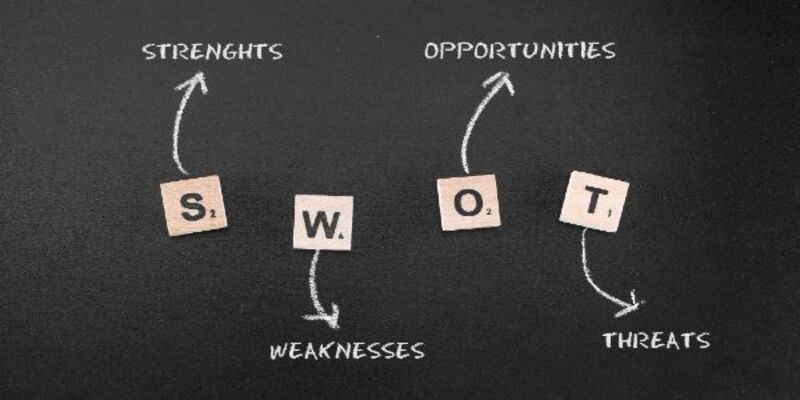
SWOT stands for Strengths, Weaknesses, Opportunities and Threats. It’s a strategic planning tool that breaks down your business into these four categories so you can clearly evaluate where you stand. Strengths and weaknesses focus on internal factors while opportunities and threats examine external influences such as market trends or competition.
What makes SWOT effective is its simplicity. You don’t need complex software or expensive consultants to get started. A focused brainstorming session with your team can reveal hidden insights about your operations, finances, marketing and customer experience. These insights then become the foundation for smarter business strategies.
2. Leveraging Business Strengths to Accelerate Success
Every business has advantages that set it apart. These strengths could be loyal customers, strong branding, unique products, skilled staff or efficient processes. Recognising these assets allows you to double down on what already works and use them to outpace competitors.
For example, if your company excels in customer service, you can build marketing campaigns around trust and reliability. If your supply chain is cost effective then you can offer better pricing. Understanding strengths doesn’t just boost confidence; it provides a practical roadmap for scaling your business strategically rather than randomly.
3. Addressing Weaknesses to Prevent Business Failure
Many businesses fail because they ignore their shortcomings. Weaknesses such as poor cash flow management, outdated technology, limited online presence or skill gaps can quietly erode performance over time. A SWOT analysis forces you to confront these issues early, before they become costly problems.
Addressing weaknesses proactively helps you stay competitive. You might invest in staff training, upgrade systems or outsource certain tasks. When you acknowledge limitations honestly, you create room for improvement. This transparency often leads to stronger operations and fewer unpleasant surprises down the line.
4. Identifying Market Opportunities for Expansion and Acquisition

Opportunities are external conditions that your business can leverage for growth. These might include new market trends, changing consumer behaviour, government incentives or technological innovations. Spotting these opportunities early can give you a major competitive edge.
For instance, if you’re exploring a business for sale in Canada, a SWOT analysis can help you evaluate market gaps, customer demand and regional advantages before committing. Instead of relying purely on instinct, you assess whether the acquisition aligns with your long term goals. This strategic clarity can transform a risky investment into a profitable venture.
5. Anticipating Threats to Protect Long Term Stability
Threats are unavoidable in business. Economic downturns, new competitors, regulatory changes or supply chain disruptions can impact even the strongest companies. However, identifying these risks in advance allows you to prepare contingency plans rather than react in panic.
By mapping potential threats, you can diversify suppliers, strengthen finances or adjust pricing strategies. Preparation reduces vulnerability and increases resilience. Businesses that actively plan for challenges are far more likely to survive market turbulence and maintain steady growth over time.
6. Using SWOT Insights for Confident Decision Making
Beyond analysis, SWOT directly improves decision making. When you have a clear picture of strengths, weaknesses, opportunities and threats, every choice becomes more calculated. Whether you’re launching a product, hiring staff, entering a new market or acquiring assets, you evaluate decisions against real data rather than assumptions.
This clarity is especially useful when considering expansion or investment opportunities. If you’re reviewing a business for sale in Canada, SWOT helps you compare the target company’s advantages and risks with your own capabilities. It ensures you don’t overestimate benefits or underestimate challenges, leading to more confident and profitable decisions.
7. Converting SWOT Findings into Practical Action Plans

A SWOT analysis is only valuable if you act on it. Once you’ve identified key factors, the next step is converting insights into practical strategies. For example, you might use strengths to capture new opportunities or develop plans to reduce weaknesses and guard against threats.
Creating measurable goals is crucial. Instead of vague intentions like improving marketing, aim for specific targets such as increasing website traffic by 30% or reducing costs by 15%. Action plans turn analysis into results, ensuring your business moves forward with purpose rather than standing still.
8. Making SWOT Analysis a Continuous Business Practice
Many entrepreneurs conduct SWOT once and forget about it. However, markets constantly change and so should your strategy. Treating SWOT as a regular practice, quarterly or annually, keeps your business agile and prepared for new developments.
Regular reviews help you track progress and adjust goals. What was once a weakness may become a strength after improvement. New opportunities may emerge unexpectedly. By revisiting your analysis often, you stay aligned with market realities and maintain a proactive mindset instead of reacting to challenges too late.
Wrapping Up
Success in business rarely happens by accident. It’s built on careful planning, honest evaluation and timely action. A SWOT analysis provides clarity about where you stand today and guidance on where to go next. By understanding your strengths, addressing weaknesses, seizing opportunities and preparing for threats, you create a strong foundation for growth. In the end, the businesses that succeed aren’t just the ones that work hard; they’re the ones that plan smart.

Acquiring an existing business can be a quicker way to enter entrepreneurship than starting one from scratch. Still, not all businesses are managed...

Economic downturns can change the way people spend, but they do not stop everyday needs. During a recession, consumers and businesses often become more...






Business2Sell is one of the biggest and most trusted marketplaces for buying and selling businesses in the Canada. Our website is visited by thousands of buyers and sellers daily, making it the most active and dynamic online platform for transactions. We are committed to providing our clients with advanced technology and value-for-money services.